A modular, automated platform that combines rearing beds, robotics, sensors and data-driven control to turn organic biomass into insect biomass efficiently and consistently.
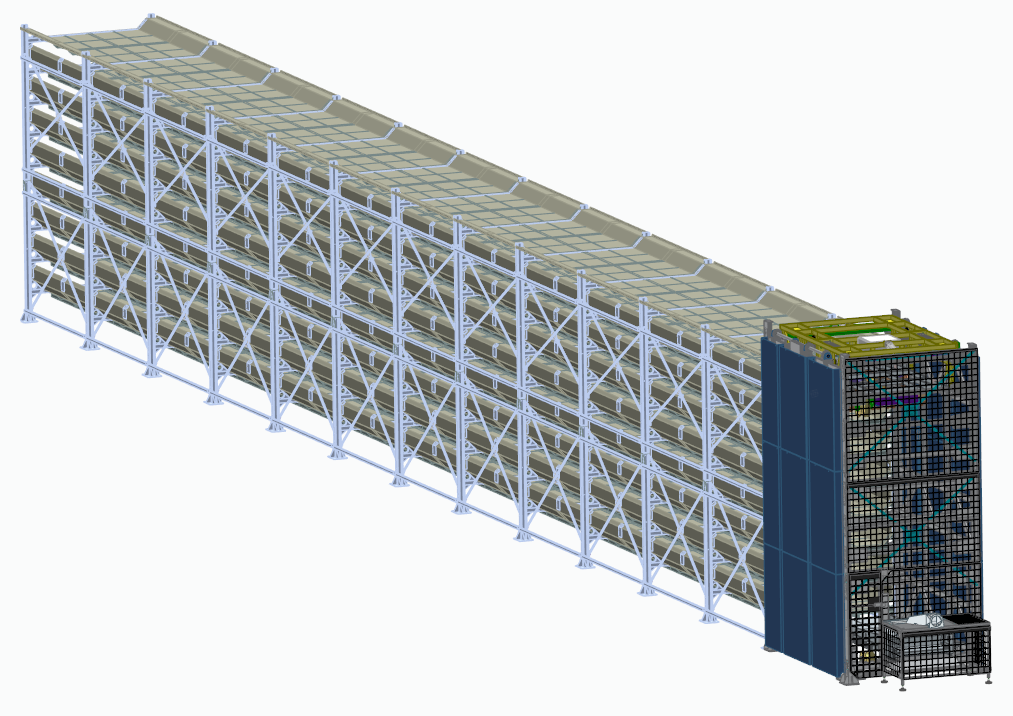
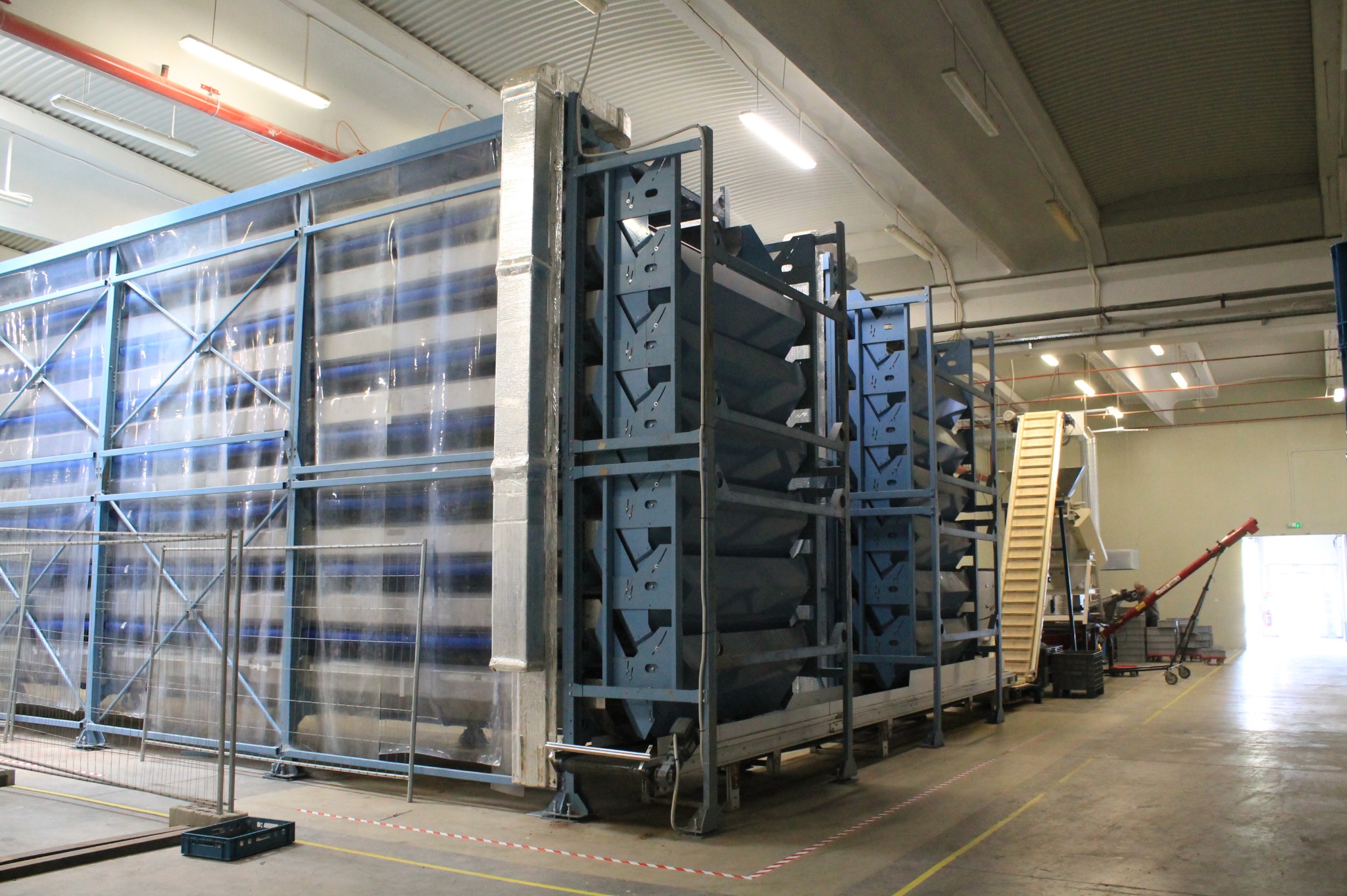
Our platform AIR2B (Automated insect rearing beds and robots) is designed as a modular production system for industrial insect bioconversion. Instead of relying on hundreds of individual crates, AIR2B uses vertically stacked rearing beds and a dedicated robot to manage the production cycle.
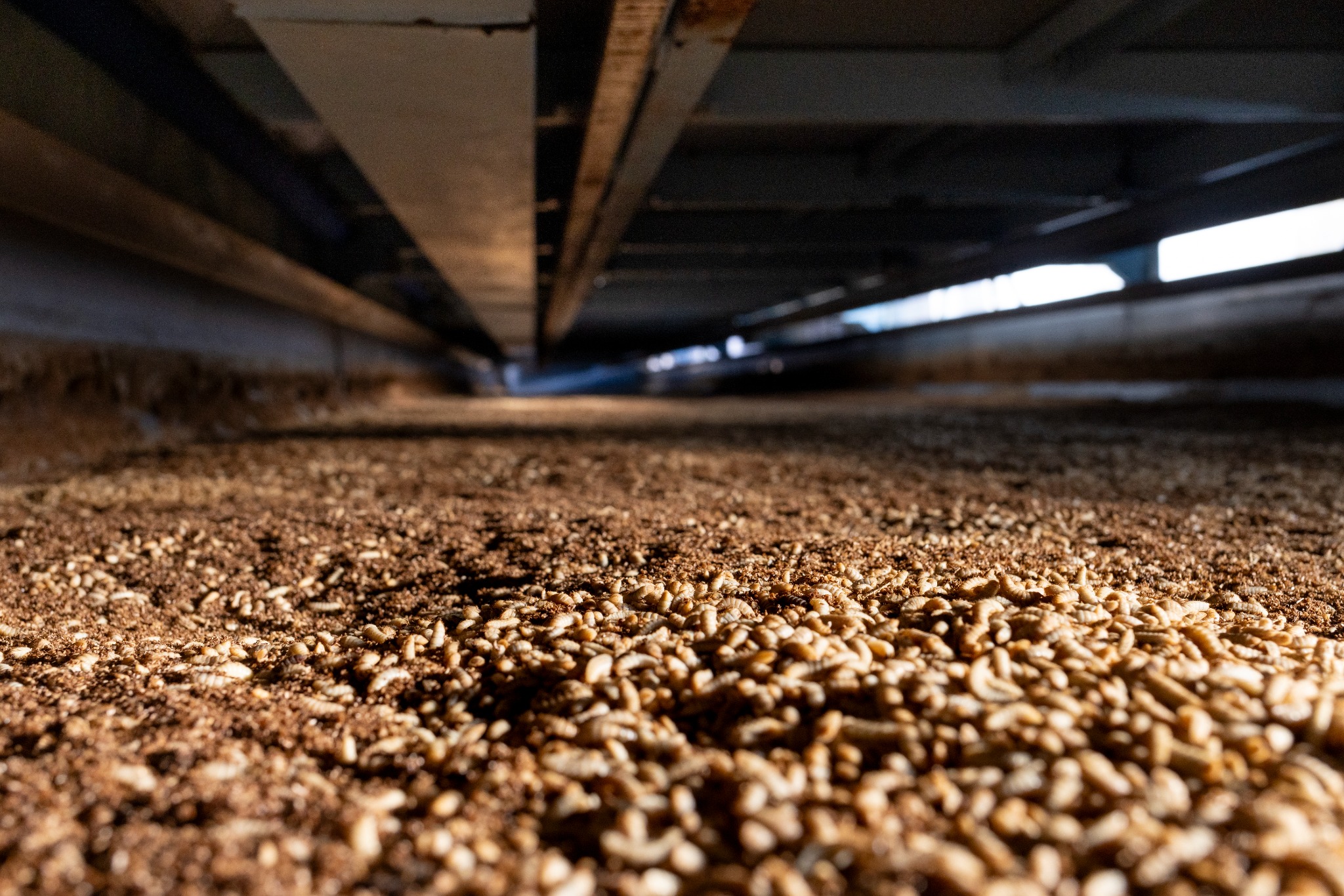
The platform is loaded with young larvae, which are raised in up to 80-90 m long beds until harvest. No additional moving is required, the larvae remain in the same bed throughout the entire production cycle, from loading to harvest.
The modular architecture allows production capacity to grow by adding production lines rather than redesigning the entire facility.
AIR2B replaces the traditional crate-based approach with vertically stacked rearing beds.
A single AIR2B platform can have 4 to 12 floors, with more than 2 meters of active rearing-bed width and a net footprint of under 300 m².
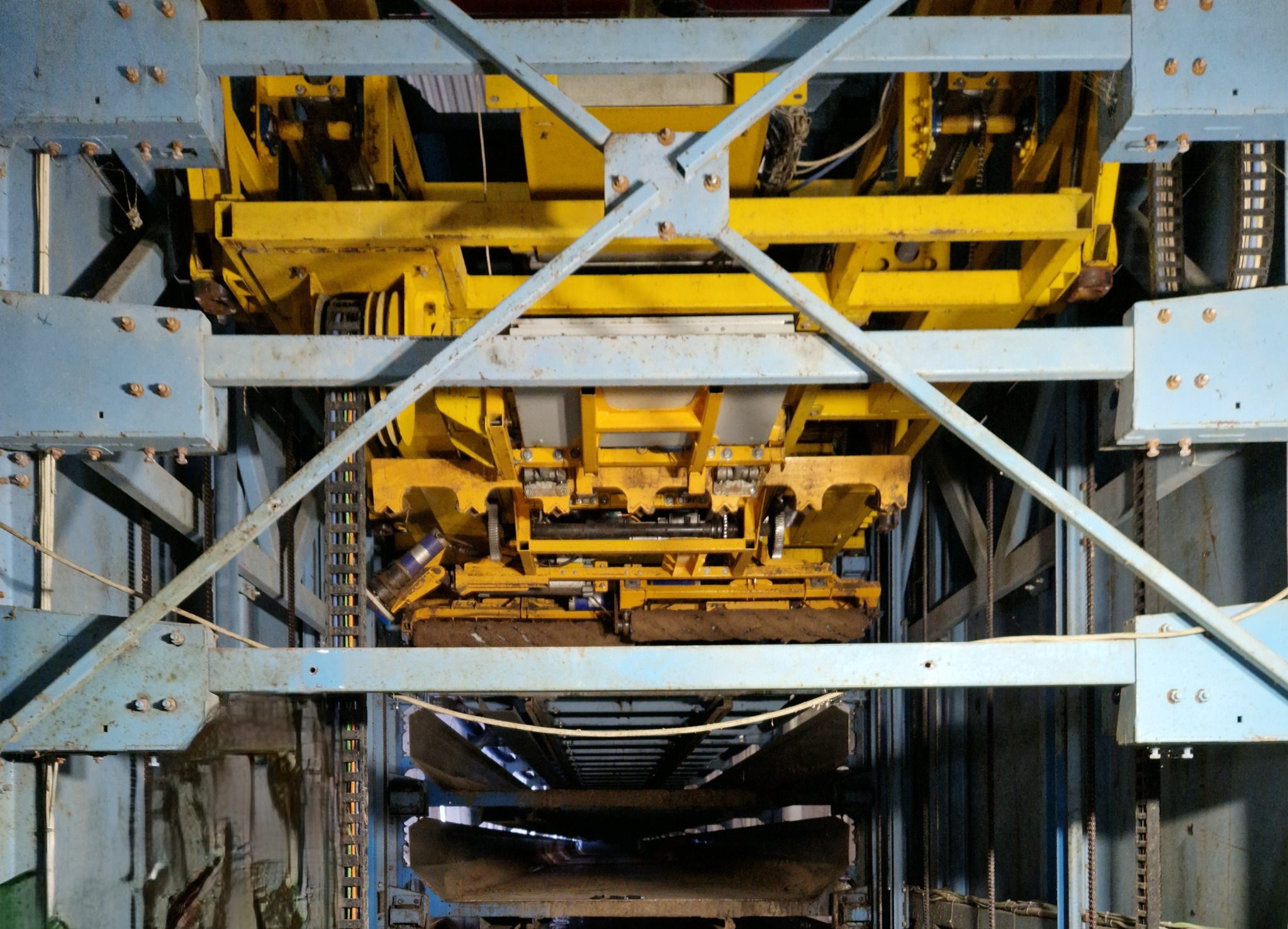
Each AIR2B platform is equipped with a dedicated front-end robot that moves vertically between floors and horizontally along each rearing bed.
It handles the core physical operations of the production cycle.

Uniformly distributes feedstock and larvae.
Works deep substrate layers of up to 15 cm.
Collects process data and enables real-time adjustments.
Manages the humidity, the liquid in the feeding, levelling and cooling according to process conditions.
Sifts the mature larvae from the feed and prepares the bed for the next cycle.
The platform uses integrated sensors, PLC-based control and data acquisition to monitor process variables and support optimisation over time.
Process conditions are continuously monitored.
Production data is captured for analysis and optimisation.
The automation architecture scales with every additional production line.
AIR2B is designed around efficient use of space, energy and infrastructure.